Watch the Demo
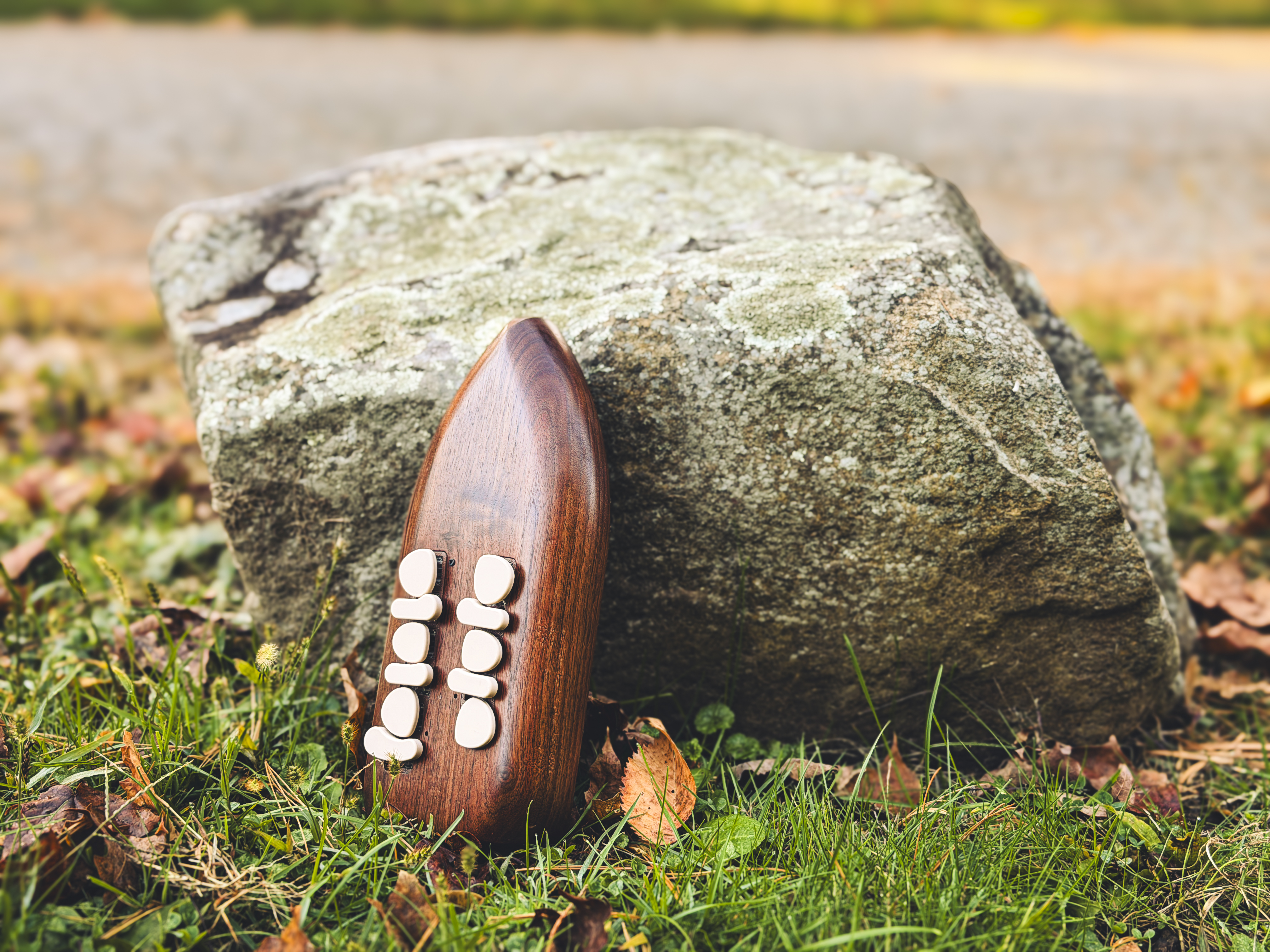
Aurelia is a wind instrument that bridges acoustic expression and electronic sound. It responds to both breath and touch, translating natural, human gestures into rich melodies. Aurelia’s key layout is unique to all other wind instruments, giving you the ability to play in every major and minor key with equal ease. Aurelia was created to feel as inviting to the novice as it is deeply expressive to the professional.
Aurelia’s keys use Cherry MX Silent Red keyswitches, giving you the accuracy and speed that can be found on the most well-tuned wind instruments. Housed in a handmade, solid walnut enclosure, Aurelia has a striking visual aesthetic that also feels extremely comfortable in the hands.
Aurelia has a unique sonic engine that uses warm, analog-modeled oscillators, creating a gradient of sound qualities that work well with both acoustic and electronic musical environments.
While playing solo melodies is at Aurelia’s core, it also has a Counterpoint Mode that will harmonize with you as you play. Just choose a key, and Aurelia will figure out the rest.
Aurelia is designed for portability. It can run on four rechargeable AA batteries, and has a built-in speaker. With USB MIDI out and a 1/4" stereo audio out, Aurelia excels in studio and live performance settings as well. Aurelia can be powered via USB-C with any device that supplies 4-17 volts.
~~~
Aurelia is made by Thomas Adam Billings, the sole creator of Terraphones. Every part of Aurelia is ethically sourced, assembled by hand, with solid walnut sourced and milled in the United States of America. By purchasing Aurelia, you are directly funding the ongoing research and development of a new wave of natural, electroacoustic musical instruments.
– $650 –
Key Layout
On all acoustic woodwind instruments, playing different notes requires pressing different combinations of two to seven holes, buttons, and keys at once. Because of their acoustic design, all holes and keys must be precisely placed to ensure correct tuning. This, in turn, creates a highly complex fingering system where some musical keys are easy to play and others are very difficult. Many electronic wind instruments carry these acoustic fingering systems over to make it easy for woodwind players to transfer their skills to a new instrument. The issue is that these electronic wind instruments do nothing to make it approachable for people who do not play acoustic woodwinds. Aurelia is designed to fix this.
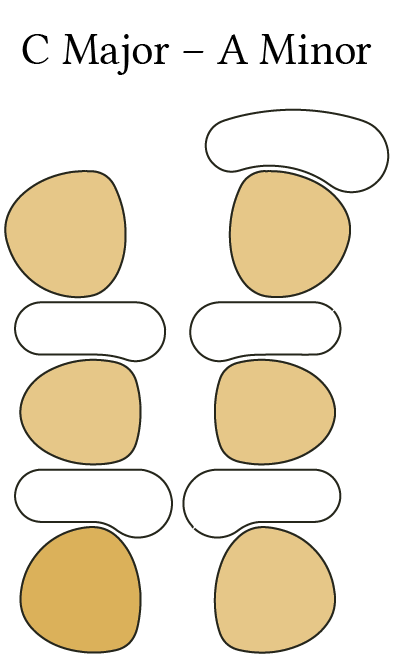
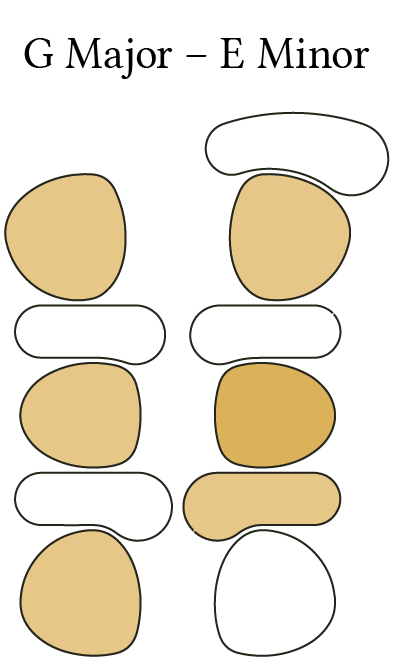
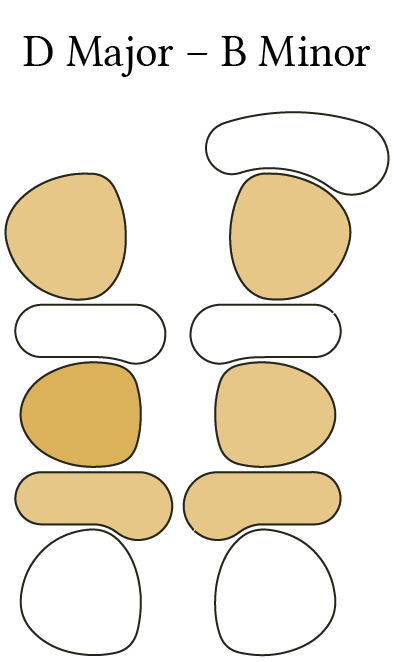
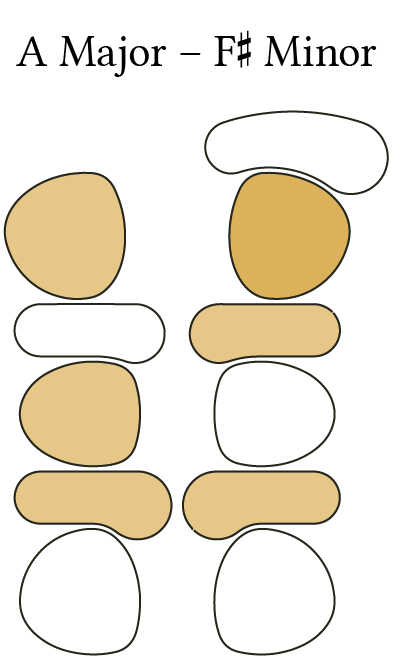
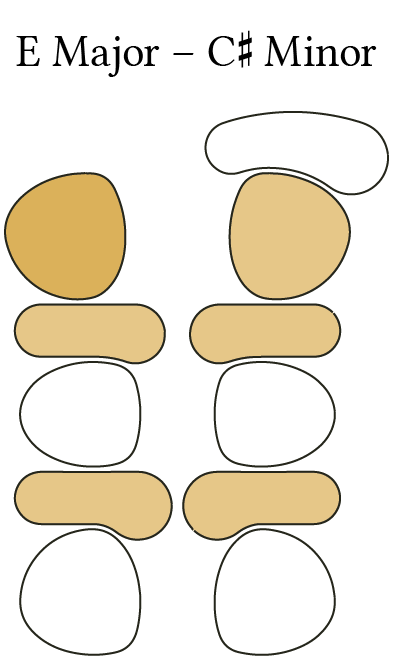
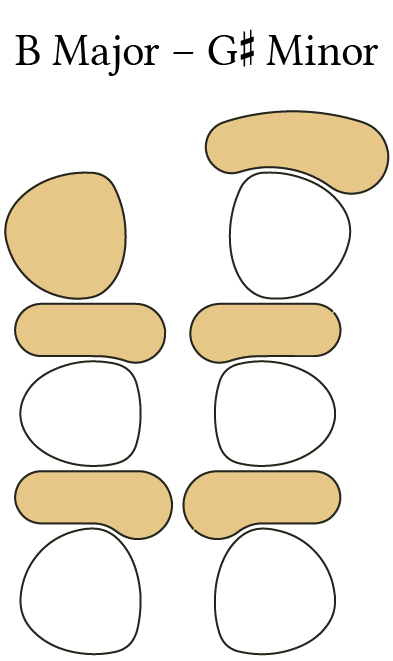
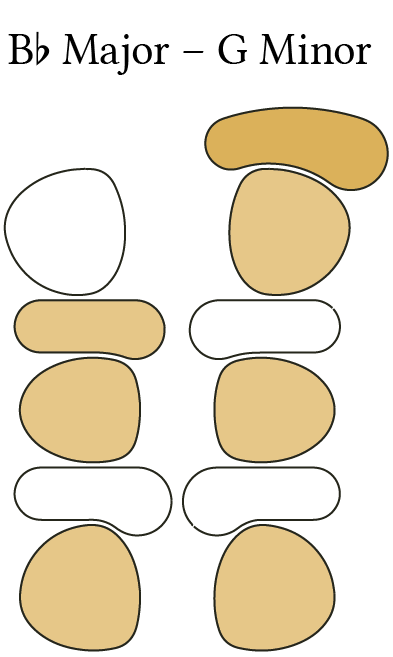
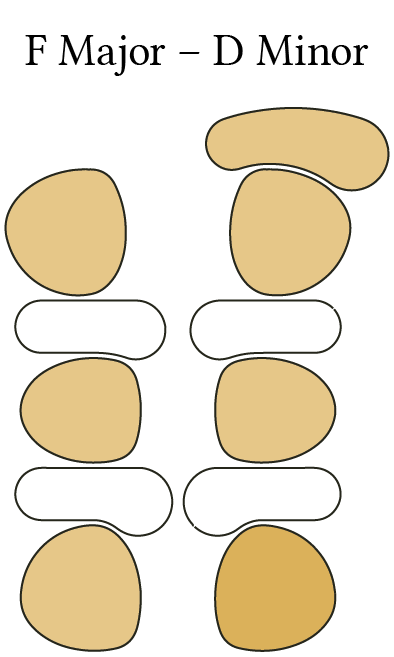
Aurelia’s key layout is derived from the piano, giving it an immediately familiar feel on first play. Instead of pressing combinations of many keys, Aurelia lets you play every note with a single key. Aurelia’s design achieves a feat that is not found in any other woodwind instrument: all twelve major and minor keys are equally easy to play. This unlocks a new understanding of previously more complex keys on woodwinds, making Aurelia approachable and fun to play for seasoned woodwind players as well as those who have never played a woodwind instrument before.
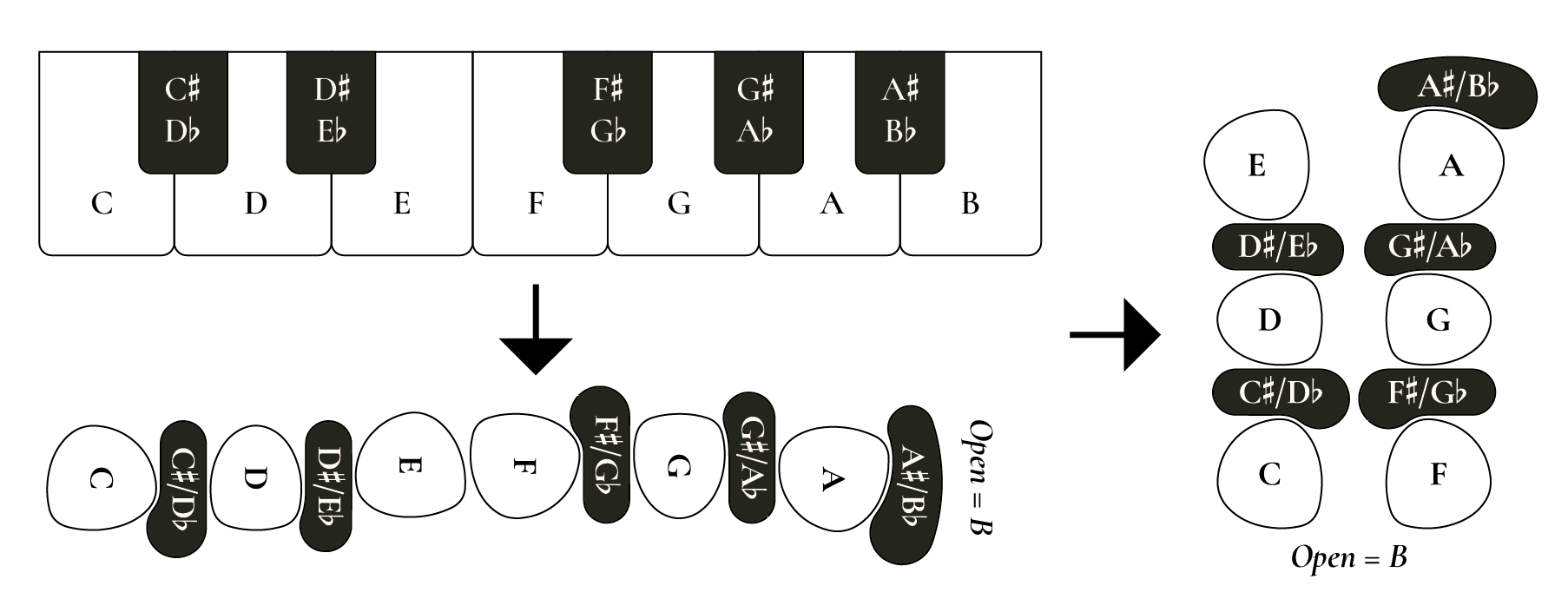
While Aurelia’s key layout lends itself to diatonic keys, it is natural to play chromatically as well. The lowest key on Aurelia—the A#/Bb key—when pressed in combination with any other key raises the pitch by a semitone. In practice, this allows the experienced woodwind player to use a familiar “pinky key” mechanism from their primary acoustic instrument in a new way while playing Aurelia.
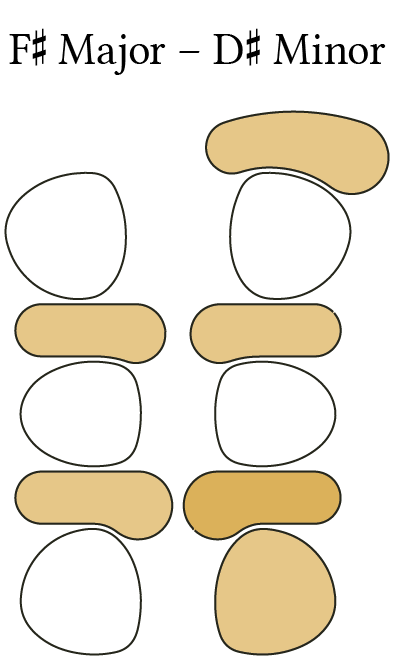
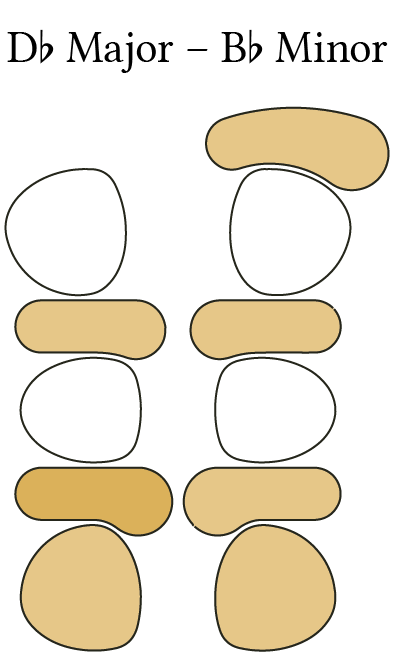
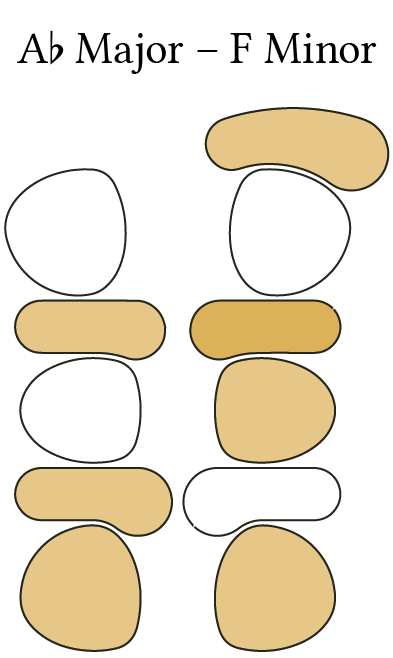
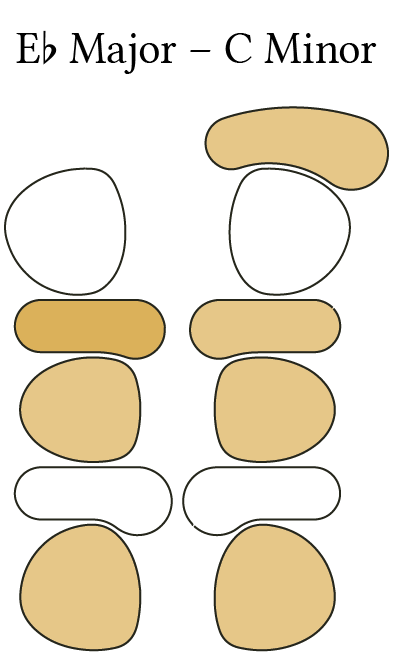
Pitch Bend
Aurelia also has a dedicated force‑sensitive pad that allows the player to bend pitch upward, adding nuanced expression to their playing. This pad is located next to the E key and is played with the left pinky.
Sonic Engine
The back of Aurelia has a slider that shapes the timbre of the instrument, giving you a wide range of sounds to explore. Aurelia’s synthesis engine blends FM and subtractive models to bridge the gap between electronic and acoustic timbres. Aurelia is designed to be at home in both electronic and acoustic environments, offering a coherent voice in either context.
Counterpoint Mode
While playing solo melodies is at Aurelia’s core, it also has a Counterpoint Mode that will harmonize with you as you play. Press and hold both the octave up and octave down keys to enter Counterpoint Mode. Choose a key by pressing the desired root note + octave up and octave down together.