Terraphones are a collection of expressive electronic instruments designed to bring together the warmth and intricacy of acoustic instruments and the flexibility of electronic sound design.
Each instrument is built slowly by hand, using custom electronics and walnut enclosures, designed to offer a deeper, more intuitive connection between musician and sound. Terraphones are the result of thoughtful experimentation; Instruments shaped by a desire for warmth, nuance, and physical interaction. Whether controlled by breath, touch, or gesture, each instrument in the Terraphones ecosystem is meant to feel approachable, responsive, and musically honest.
The company grew from a dissatisfaction with cold electronic interfaces, overly–complex modular systems, and a belief that electronic instruments could feel as inviting and expressive as their acoustic counterparts. Every design choice, from the enclosure to the interface layout, is made to support playability, artistic focus, and the beauty of musical performance.
Terraphones are made for musicians who want to work with tools that invite them into long-term creative relationships. The hope is simple: that each Terraphone becomes a lasting companion in your musical life.
Shipping to North America, South America, the UK, the EU, and Australia.
Expected lead time of 6-10 weeks.
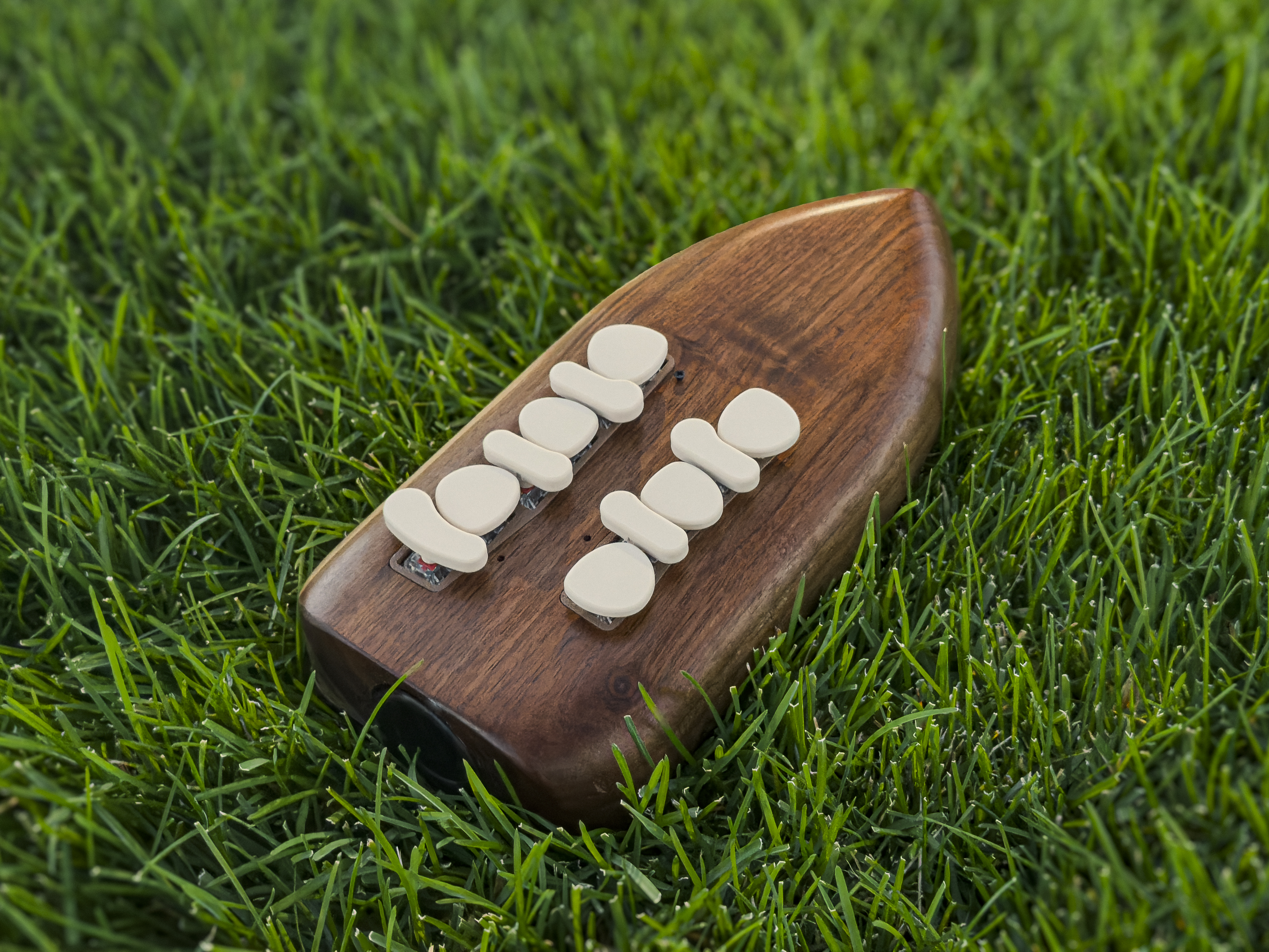
Aurelia is a wind instrument that bridges acoustic expression and electronic sound. It responds to both breath and touch, translating natural, human gestures into rich melodies. Though Aurelia is shaped by the design language of woodwind instruments, it was created to feel natural in any player’s hands.
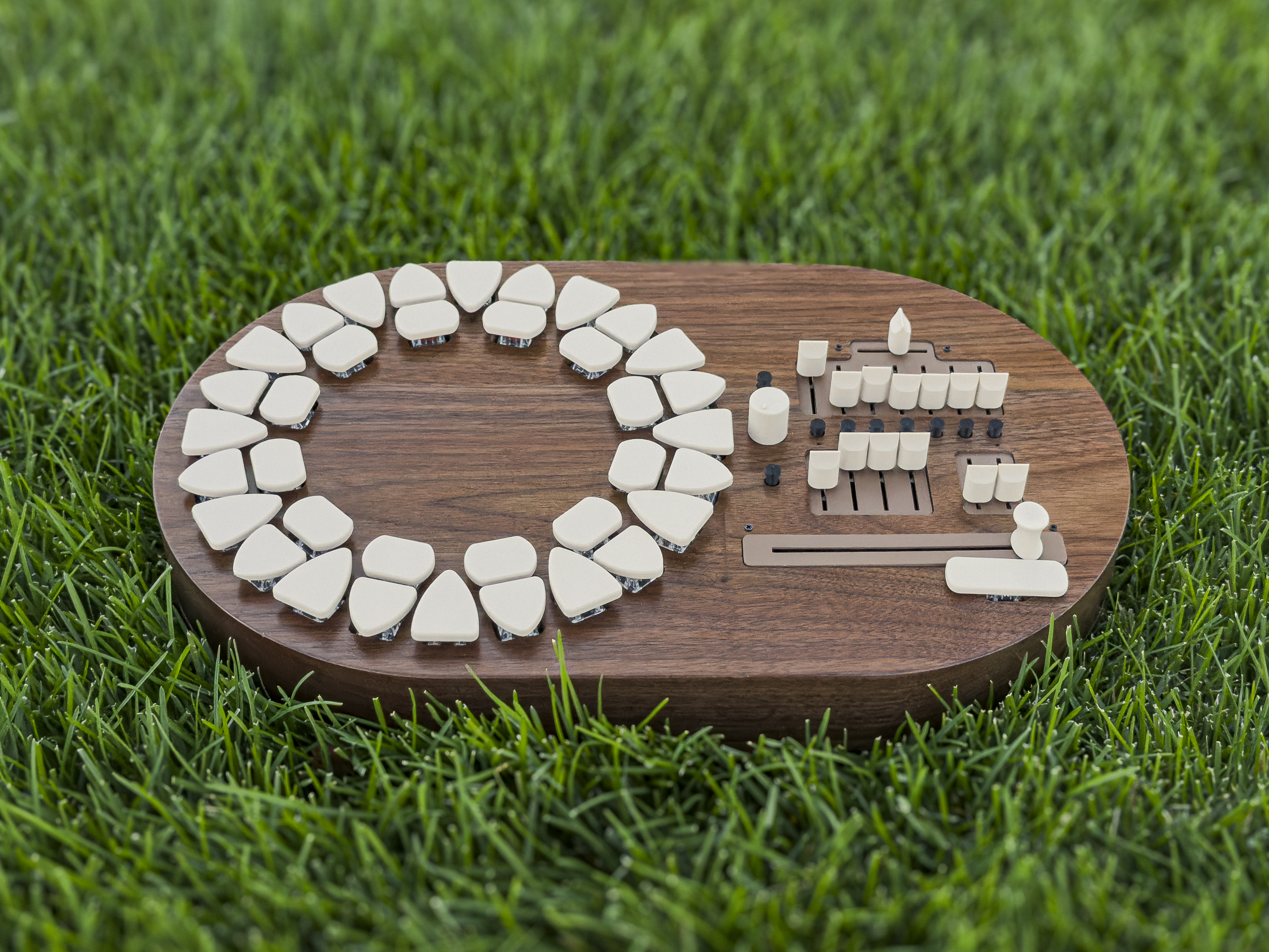
Nymira is a standalone harmony instrument designed around the circle of fifths. Its sonic engine draws from the overtone series, offering detailed timbral control across seven individual partials. Two distinct models explore different synthesis methods; one rooted in additive FM synthesis, the other in classic subtractive design. Together, they provide a new, expressive way to shape rich and complex harmonic textures.